
现在加入 VIP,即可提前预购,享受更低价格、回扣和积分奖励!
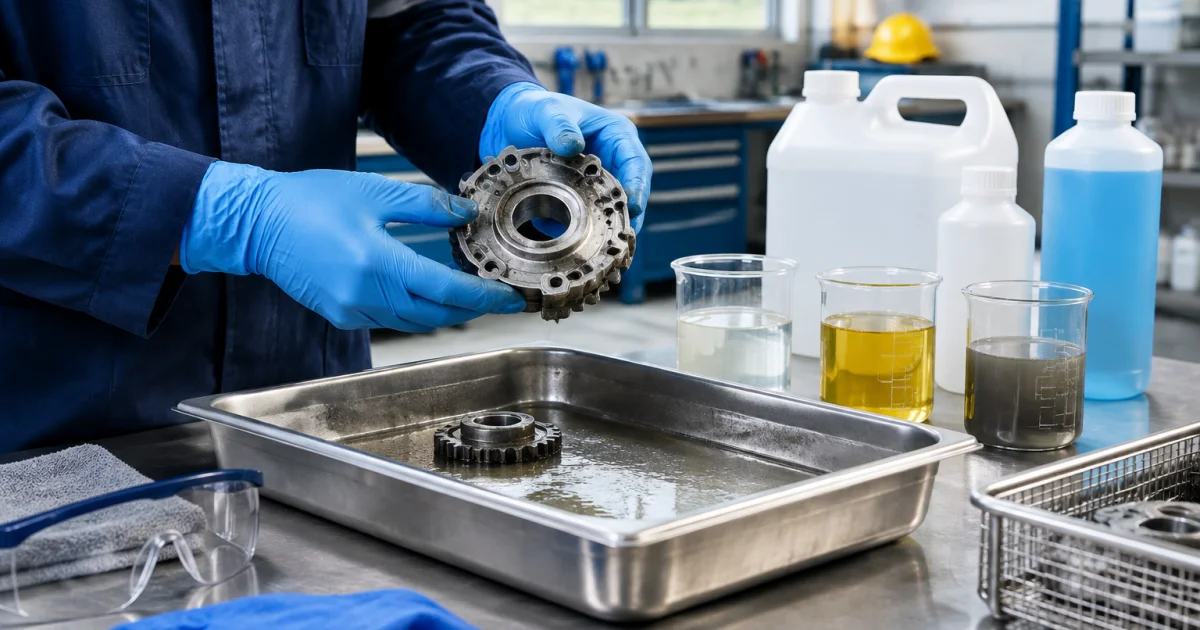
Industrial Degreaser Thailand: New Buyer Expectations on Safety Data, Wastewater, and Performance Testing
10 月 12, 2026
Across Thailand’s manufacturing zones, degreaser purchasing is becoming more structured and more accountable. What used to be a fast decision driven mainly by cleaning speed and price is now often a cross-functional review involving procurement, EHS, and production engineering. Buyers expect safety documentation that can stand up to audits, wastewater considerations that reduce downstream risk, and performance claims backed by simple, repeatable tests.
This article summarizes the practical expectations we see when factories evaluate Industrial Degreaser Thailand options, and it provides a buyer-ready checklist you can use to qualify products and suppliers for line trials—without turning the process into a months-long project.
What has changed in how factories evaluate degreasers
Three shifts are driving tougher acceptance criteria:
- Shared accountability: The same degreaser can affect operator safety, product quality, wastewater treatment, corrosion risk, and equipment uptime—so more departments now sign off before introducing a new chemical.
- Documentation-first procurement: Buyers want to confirm hazards, handling, storage, and emergency response before a sample arrives. Incomplete documentation can stop a trial entirely.
- Process fit matters as much as “clean”: Selection now focuses on compatibility with substrates (aluminum, stainless, copper, plated parts), production steps (pre-paint, pre-bond, pre-assembly), and equipment (spray washers, soak tanks, wipe cleaning, ultrasonic systems).
Suppliers that provide clear documentation and a straightforward testing approach typically move faster through internal approvals—especially when EHS and engineering are aligned early.
Safety data expectations: what buyers ask for (and why)
Procurement and EHS teams usually start with: “Can we safely introduce this into our plant?” The answer depends on whether the supplier can support internal risk assessment, training, and chemical controls—not just provide a label.
Minimum documentation buyers typically expect
- SDS/MSDS: Current Safety Data Sheet covering hazards, PPE, first aid, spill response, storage, and disposal considerations.
- Technical datasheet: Recommended dilution range, application methods, contact time, temperature guidance, and rinse requirements.
- Consistency notes: How the supplier manages batch consistency and identification, and what traceability support is available for multi-site users.
The goal is unambiguous shop-floor handling instructions and an easy match to your internal chemical management procedures.
PPE, ventilation, and training: keep it practical
Incidents often come from mismatched use conditions. Buyers increasingly value suppliers who translate SDS requirements into practical guidance, including:
- Appropriate gloves and eye/face protection for spraying, wiping, immersion, or ultrasonic use.
- Ventilation expectations for enclosed areas and ways to reduce aerosol exposure during spraying.
- Clear do-not-mix warnings (for example, with other cleaners, rust removers, or nearby maintenance chemicals).
Where plants also use maintenance aerosols (such as penetrating oils), clear differentiation of use-cases helps prevent urgent “substitutions” that create contamination or safety risks.
Wastewater and discharge compatibility: what to confirm before trials
Wastewater is where a “great cleaner” can become a hidden cost. A degreaser that removes oils well can increase treatment load—especially if it emulsifies oil and reduces separation. This is why buyers bring EHS or wastewater operators in early.
Key wastewater questions buyers now ask
- Does it separate or emulsify oils? Oil-water separation performance is often decisive; highly emulsifying formulas can complicate skimming and downstream treatment.
- What’s the expected rinse load? Heavy rinsing can increase total wastewater volume and operating cost.
- Are there known incompatibilities? For example, interference with flocculation/coagulation programs or persistent foaming.
- How should spent solution be managed? Typical handling logic for spent bath, sludge, and oily residues based on the user’s process.
For facilities with strict environmental KPIs, stronger trials include wastewater observations from day one: appearance, separation time, foam tendency, and any operational impacts on treatment equipment.
Practical pre-trial alignment between production and EHS
Agree on a clear trial boundary before bringing in a new cleaner: which line, which parts, what volume, and how wastewater will be monitored. This prevents unplanned expansion of use that affects larger wastewater streams than intended.
Performance testing: how buyers validate “it works”
Performance is no longer a subjective “looks clean.” Buyers want results that are repeatable, documentable, and comparable to the incumbent product. The aim is not a lab-grade study, but a fair method that reflects production reality.
Define success criteria before the first sample
Approvals move faster when procurement, engineering, and quality agree on success criteria upfront, such as:
- Cleaning outcome: Removal of target contaminants (cutting/stamping oil, grease, drawing compounds, fingerprints, polishing residues).
- Cycle time: Contact time and temperature needed to reach the target cleanliness.
- Material compatibility: No staining, etching, swelling, haze, or discoloration on metals, plastics, rubber, paints, or coatings.
- Downstream process compatibility: No adhesion failures for painting, coating, bonding, or labeling; minimal residue after drying.
- Operator practicality: Acceptable odor, manageable foam, and reasonable rinsing effort in the chosen equipment.
A product can “clean better” and still be rejected if it creates new risks—such as flash rust or residues that impact adhesion. Upfront criteria prevent late-stage disagreement.
Simple, repeatable test methods buyers use
Choose methods that match your process and can be repeated across suppliers:
- Before/after gravimetric check: Weigh standardized coupons before contamination, after contamination, and after cleaning/drying to compare relative removal.
- Water-break observation: After rinsing, check if water sheets evenly or breaks into droplets as a quick indicator of residual oils.
- Contact angle or dyne pen screening (when relevant): Useful for pre-bond or pre-coating cleaning when surface energy matters.
- Foam and rinse test in your actual equipment: Observe foam behavior at typical spray pressure/agitation; excess foam can cause cavitation and inconsistent cleaning.
- Corrosion/flash-rust observation window: For ferrous parts, check after drying and after a defined hold time before assembly.
If your process uses an Ultrasonic Cleaner Thailand setup, include an ultrasonic-specific trial. Chemistry can behave differently under cavitation and elevated temperatures. Typical checks include cleaning time, filtration needs, bath life stability, and whether residues redeposit on parts.
How to compare products fairly
To avoid misleading results, standardize conditions across trials:
- Use the same parts or standardized coupons with the same contaminant type and loading method.
- Control dilution, temperature, and agitation; document them in a one-page trial sheet.
- Define pass/fail thresholds (for example, residue under defined lighting, water-break behavior, staining, flash rust after X hours).
- Include rinsing and drying steps that match production, not idealized lab methods.
This discipline reduces subjective debate and creates a traceable rationale for supplier selection.
Buyer checklist: what to request from suppliers before you approve
Use this practical procurement/EHS/engineering checklist to pre-qualify suppliers before you invest time in broader trials.
1) Documentation package
- SDS/MSDS provided and internally reviewable before sampling
- Technical datasheet with application guidance (dilution, temperature, method, contact time)
- Clear storage and shelf-life guidance
- Batch/lot identification approach for trial traceability
2) Process fit confirmation
- Recommended use method: wipe, spray, immersion, or ultrasonic
- Compatibility discussion for your materials: aluminum, copper, stainless, zinc plating, plastics, rubber, painted surfaces
- Rinse requirements and residue risk for downstream coating/painting/bonding
- Guidance to prevent flash rust (for ferrous parts)
3) Wastewater and operational impact
- Expected oil separation behavior and emulsification tendency
- Foam tendency in spray/recirculation systems
- Known issues with common wastewater treatment approaches
- Recommendations for bath management, filtration, and change-out indicators
4) Performance trial plan
- Proposed test method aligned to your equipment and parts
- Defined success criteria and observation schedule
- Support during trial (technical contact, response time, adjustment lead times)
- Clear comparison approach versus incumbent product
When these four areas are covered, approvals are typically faster and issues surface earlier—before a cleaner spreads across multiple lines.
Where degreasers sit in the wider maintenance-chemicals ecosystem
Many plants source degreasers alongside lubricants and maintenance sprays, which increases the risk of cross-usage mistakes. For example, an industrial penetrating oil spray can contaminate parts that later need adhesion, while an aggressive degreaser can strip protective films required for certain assemblies.
Procurement teams reduce risk by separating products by use-case and controlling point-of-use access:
- Cleaning chemicals: degreasers, parts washers, ultrasonic detergents, rust removers
- Lubrication and protection: oils, greases, corrosion preventives
- Maintenance aerosols: penetrants, moisture displacers, light lubricants
Keeping these categories distinct helps ensure degreasers are evaluated on cleaning performance and wastewater compatibility, while lubricants are judged on friction control and equipment reliability.
Conclusion: build a degreaser approval process that survives audits and reality
Degreaser selection in Thailand is moving from “try it and see” to a controlled, documented process. Buyers increasingly require: (1) safety data that supports real training and chemical control, (2) wastewater compatibility that prevents downstream disruption, and (3) performance testing that is repeatable and tied to production success criteria.
The most effective approach is to standardize the workflow: use a consistent documentation package, agree on success criteria before sampling, and run a small but well-observed pilot that includes wastewater and operational impact. When procurement, EHS, and engineering share the same trial sheet, comparisons are clearer and approvals are faster and safer.
If you are re-evaluating degreasers across multiple lines, create a short internal checklist and apply it to every request. It quickly shows which suppliers are ready for factory requirements and which are not.
Related sourcing categories: You may also want to review supplier options under industrial cleaners and broader 供工业使用 products when standardizing documentation and procurement workflows.
常见问题
What documents should I request before approving a new industrial degreaser?
At minimum, request an SDS/MSDS and a technical datasheet that states recommended dilution, method (wipe/spray/immersion/ultrasonic), temperature range, contact time, rinsing guidance, and storage conditions. For smoother internal approvals, also ask how the supplier identifies batches/lots and what support they provide during trials (technical contact, response time, and documentation for audits).
How can I evaluate degreaser impact on wastewater treatment before a full rollout?
Start with a controlled pilot on one line and observe oil separation behavior, foaming tendency, and any operational changes (skimming efficiency, sludge behavior, or treatment stability). Document dilution, rinse volume, and cleaning load so you can compare like-for-like. If a product strongly emulsifies oils, confirm with EHS and wastewater operators whether existing separation and treatment steps can handle it before expanding use.
What are practical performance tests to compare degreasers fairly?
Use repeatable methods tied to your process: standardized contaminated coupons or parts, controlled dilution/temperature, and a defined rinse/dry step. Common checks include before/after weight change (simple gravimetric comparison), water-break observation after rinsing, foam observation in your actual equipment, and a flash-rust observation window for ferrous parts. For pre-paint or pre-bond cleaning, add a surface energy screening method if your quality team uses one.
Do I need a separate evaluation when using an Ultrasonic Cleaner Thailand setup?
Yes. Ultrasonic cleaning changes how chemistry behaves due to cavitation, bath temperature, and filtration. A degreaser that works in wipe or spray cleaning may foam, redeposit soils, or require different concentration control in an ultrasonic tank. Run a short ultrasonic-specific trial to confirm cleaning time, residue risk, bath life stability, and wastewater impact from the ultrasonic rinse stream.
How do I prevent operators from using penetrating oil sprays or lubricants where a degreaser is required?
Clarify use-cases by category (cleaning vs lubrication vs maintenance aerosols), label storage locations by application, and include quick job aids that state “use this for cleaning prior to coating/assembly” versus “use this to free stuck parts.” Many plants also limit maintenance sprays to maintenance teams and keep approved degreasers at point-of-use for production to reduce cross-contamination risks.
Streamline degreaser approvals with A-Isou’s documentation-first sourcing
If your team is updating how you evaluate degreasers—SDS review, wastewater fit, and repeatable performance tests—A-Isou can help you source options in one place. Compare industrial cleaners across suppliers, request quotations, and ask for supporting technical documents (such as SDS/MSDS and datasheets) before committing to trials.
Use A-Isou to standardize your pre-qualification checklist and shorten the path from “sample request” to “approved for production,” while keeping procurement, EHS, and engineering aligned.
